
Seventy Two Years Ago A Great Leader Of The Proletariat Died But His Legacy Is Now Emerging Stronger Than Ever
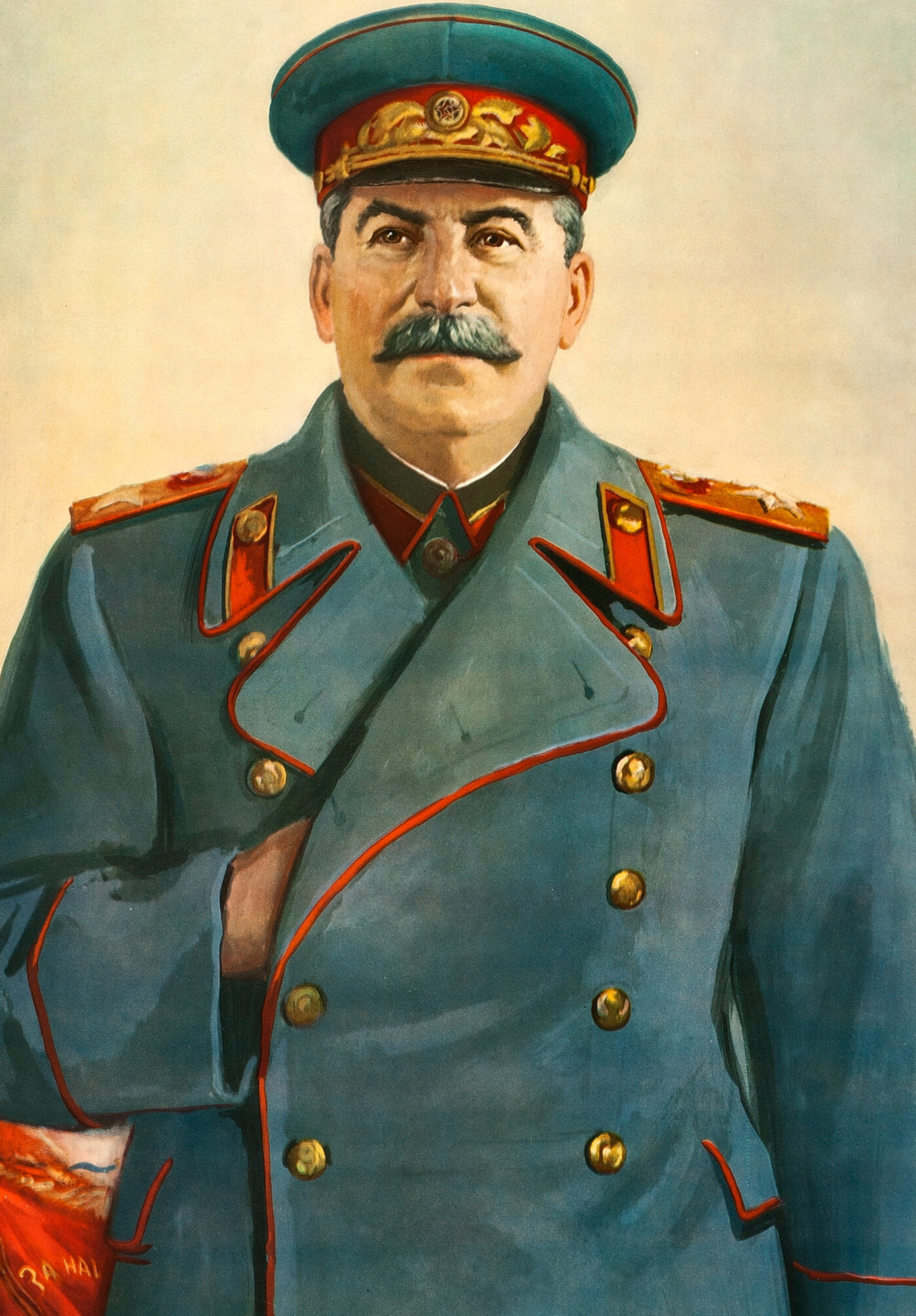
Josef Stalin once commented upon how he knew full well that the enemies of the revolution would pour rubbish all over his grave but that the winds of history would blow this all away in the end. The winds of history are blowing very strongly now and 72 years after his death the reputation of Comrade Stalin grows stronger again both in the Russian Federation itself, the Peoples Republic of China and (increasingly) in the imperial core countries. Those who sought to destroy Stalin’s memory and legacy have all been themselves revealed to be everything they accused him of being and worse. The reactionary opportunist counter revolutionary Khruschev, if he is remembered at all, is spoken of only in disparaging terms as a man who set up the fall of the USSR. Gorbachev is only praised by rabid anti-communists who (correctly) pay tribute to him as the leading counter revolutionary of his day. Yeltsin is now remembered only as a comprador figure, a drunken corrupt traitor who tried to sell Russia to the US imperialists and almost succeeded in destroying it completely. Stalin’s legacy stands before us in the form of the Russian Federations industrial, technical and scientific base which survived the counter revolution. The roots of this lie in the period of the five year plans and the great successes of the USSR in carrying out rapid mass industrialisation. Stalin himself, always a humble man in reality, would not want us to credit him solely with this as the triumph belongs properly to the great proletarian and peasant masses of the USSR. Comrade Stalin was the paramount leader of the time though and it was in his time as General Secretary of the CPSU that the difficult battles over the NEP, collectivisation and the five year plans were waged.
Stalin made many great contributions towards the development of Marxism but the one that must be talked about far more is his development of Marxism-Leninism. Following the powerful legacy of Lenin he developed the theory and practice of party organisation in works such as ‘The Foundations of Leninism’ where he clearly outlined the way the party must be immersed in the masses and how to avoid neither running too far ahead of the masses or trailing behind them. These are the most difficult questions to deal with for revolutionaries both before the taking of power and afterwards. Stalin understood that the vanguard without the mobilised masses behind it was nothing and could easily be swept away. That is why he and the CPSU leaders of the time constantly stressed the need to raise the political, educational and cultural level of the masses in order that they could be mobilised to support initiatives such as the five year plan, collectivisation of the land and (ultimately) the defence of the Socialist Motherland against German imperialist aggression. Unlike Trotsky, who viewed everything in terms that would have made a Prussian militarist proud, Stalin understood that the party had to be constantly engaging with the masses and learning from them in order that the party can lead them. This process is a constant two way process and, if done properly, ensures that the party remains revolutionary. Stalin knew very well that the foundation of the revolution was the masses and the party needed to constantly be acting to win them over to its positions. This worked spactacularly when the Soviet proletariat and peasantry embraced the five year plans and became the masters of the factories and collective farms. The ultimate vindication of methods outlined by Stalin was in the heroic defence of the USSR by the workers and peasants following the Nazi invasion of 1941. Whereas the armies of the Tsar had disintegrated under the weight of the Kaisers assaults in the First World War the Red Army stood strong despite enormous sacrifices precisely because the workers and peasants understood it was truly their country they were fighting for, not the country of the parasitic bourgeois and the rotten aristocracy. Against the organised masses of the USSR the Nazi invaders ultimately stood no chance and were routed all the way back to Berlin.
The roots of this success lay in the proper understanding of the role of the masses that Stalin both theorised and practiced. He was the greatest proletarian leader of the 20th century and it is for this reason that counter revolutionaries of all kinds loathe him to this day. All true revolutionaries salute Comrade Stalin and strive to follow his example.
Suggested Further Reading By Stalin


Leave a comment